Fes, Home to the World's Largest Medina: What to See and How to Prepare
With more than 9,000 alleys, Fes el-Bali is a living maze. Here is how to visit the medina well without getting lost or dragging luggage through it.
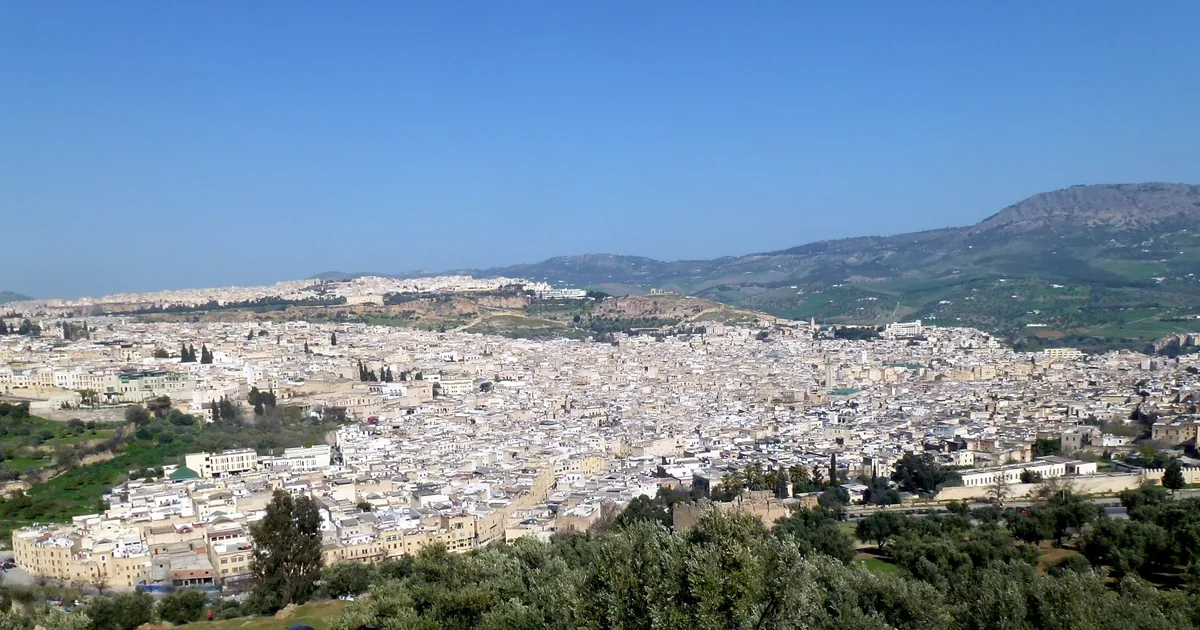
Fes el-Bali: a thousand-year-old heritage site
Founded in the 8th century, the medina of Fes is the largest pedestrian urban area in the world. It is a UNESCO World Heritage site and home to the oldest university still in operation: Al Quaraouiyine University, founded in 859.
The main highlights
- Chouara Tanneries — one of the most striking views in the medina, especially from the leather-shop terraces.
- Bab Boujloud — the iconic blue gate and one of the clearest entry points into the medina.
- Bou Inania Madrasa — a masterpiece of Marinid architecture, open to visitors.
- Foundouk El Nejjarine — a former caravanserai turned into a museum of wood arts and craftsmanship.
- The mellah — the former Jewish quarter, a reminder of the city's layered cultural history.
Getting around the medina
Forget suitcase wheels. The medina is a maze of steps, narrow lanes, and covered passages. Donkeys and mules still play a role in transporting goods. For visitors, comfortable shoes and free hands are the real essentials.
If you want the best experience, store your luggage near Bab Boujloud or near Fes station before entering. That way you can explore for hours without dragging a bag behind you.
When should you visit?
Spring and autumn usually offer the best temperatures. Summer can become extremely hot, so earlier visits are generally much more comfortable.
Using Fes as a base
Fes works very well as a starting point for Meknes, Volubilis, or onward travel toward the north. It also connects naturally with a wider Morocco itinerary that includes rail, bus, and short city-to-city hops.
Discover more cities
If you plan to continue across Morocco, it helps to sort out your luggage before the next leg. That is especially true when your trip includes medinas, stairs, short stays, or same-day transfers.