Morocco Budget Travel Tips: How to Explore for Less
Plan realistic daily costs and save on transport, accommodation, food and luggage without removing the experiences that make Morocco worth visiting.
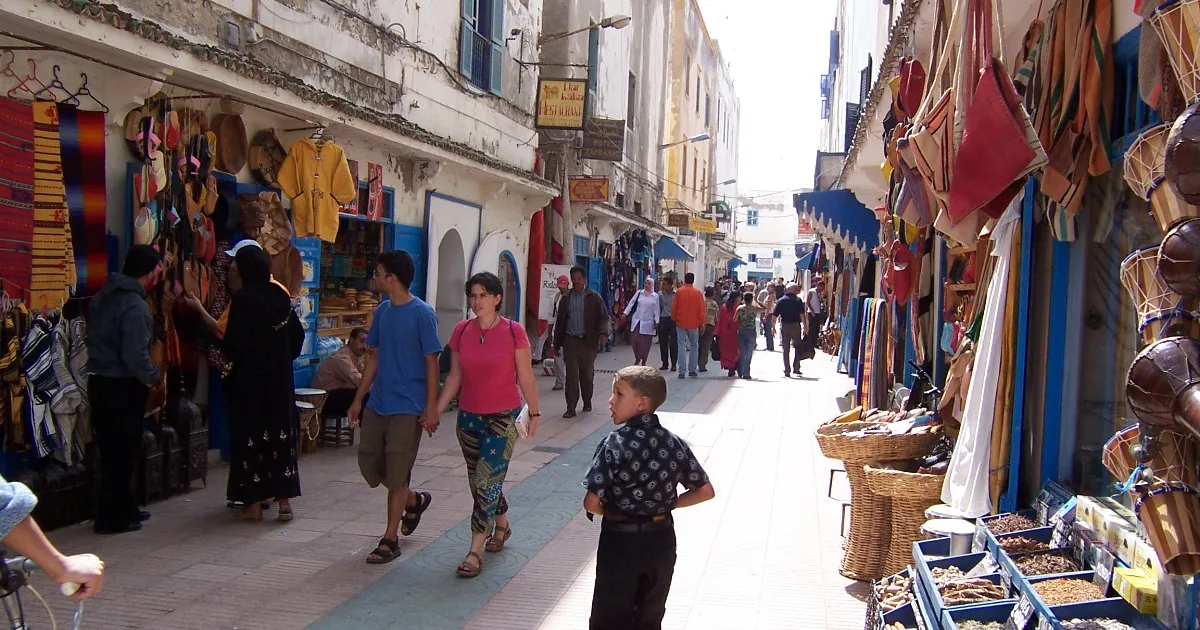
Morocco Budget Travel Tips: How to Explore for Less
Morocco can offer excellent value, but it is not automatically cheap. A traveler using trains, local restaurants and simple guesthouses will spend far less than someone booking private drivers, boutique riads and last-minute desert tours.
The goal is not always to choose the lowest price. It is to find genuine value without creating extra transport costs or wasting time. This guide covers daily budgets, accommodation, transport, food and sightseeing.
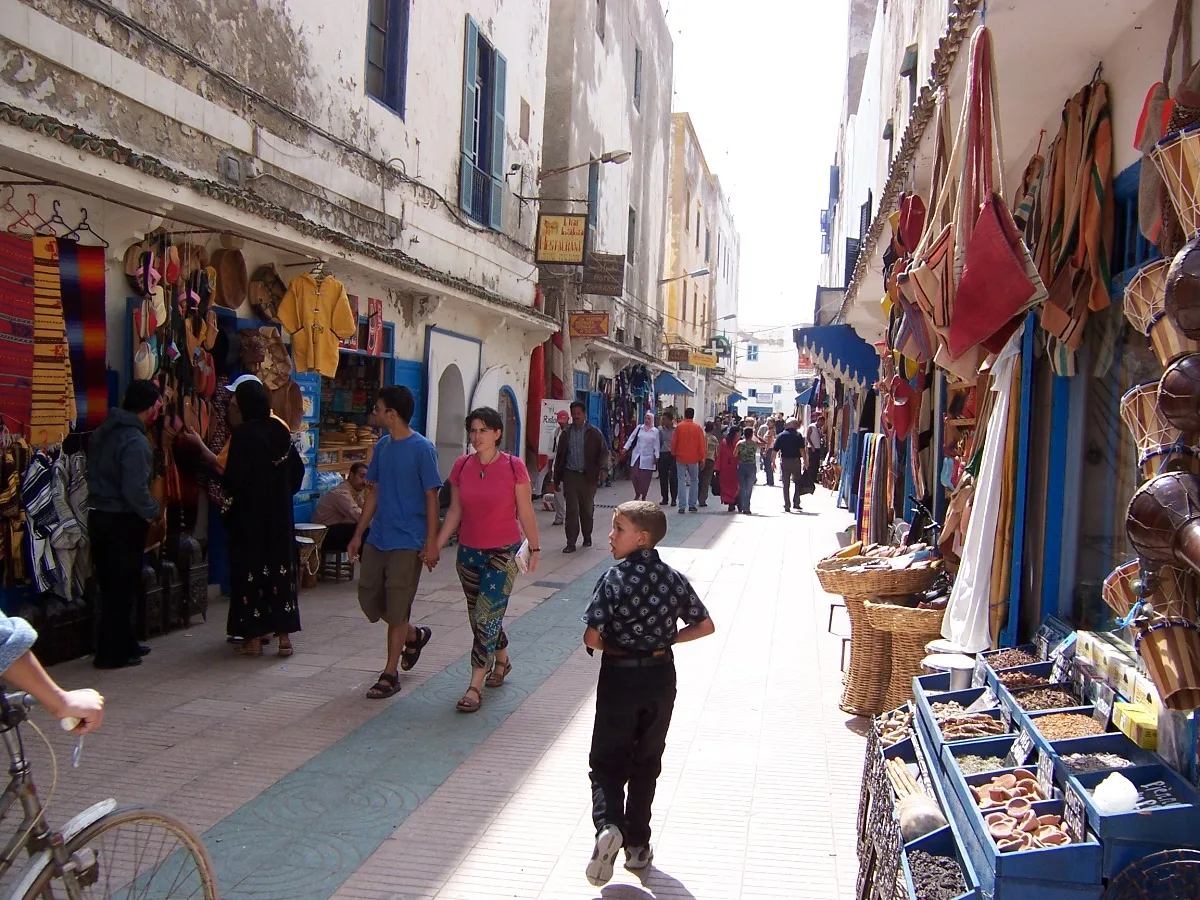
How much should you budget for Morocco?
Costs vary by season, city and comfort. Marrakech, desert routes and summer beach destinations usually cost more than Fes, Meknes or quieter regional cities.
These are planning allowances per person, excluding international flights and major tours:
| Travel style | Suggested daily allowance | What it can cover |
|---|---|---|
| Lean backpacker | 320–550 MAD | Dorm bed, local meals, public transport and mostly free activities |
| Budget comfort | 650–1,000 MAD | Simple private room, local restaurants, trains or coaches and paid attractions |
| Value-focused mid-range | 1,100–1,800 MAD | Comfortable riad, broader restaurant choice, first-class rail and selected tours |
These are not fixed prices. Recent traveler-expense data places budget spending near 317 MAD per person per day and mid-range spending near 826 MAD, but peak periods can cost more.
Keep a separate allowance for flights, shopping, surf lessons, desert camps and private excursions.
1. Travel during Morocco’s shoulder seasons
Accommodation is often better value outside peak demand. April, May, September and October are pleasant but popular; early December, parts of January and non-holiday weeks may offer stronger deals.
Summer is not always cheap because beaches and domestic destinations fill up. Compare the same room across several dates before booking—moving a stay by one night can save more than choosing a badly located property.
2. Build an efficient route
Morocco looks compact, but travel times are significant. Group destinations by region: Tangier–Chefchaouen–Fes in the north; Casablanca–Essaouira–Agadir on the Atlantic; or Marrakech–Atlas–Ouarzazate in the center.
Trying to combine Tangier, Fes, Marrakech, Essaouira and Merzouga in one week creates expensive transfers. Choose fewer bases and stay at least two nights where possible.
3. Use trains for the main rail corridor
Morocco’s rail network is useful for Tangier, Kenitra, Rabat, Casablanca, Marrakech, Meknes and Fes. The Al Boraq high-speed service makes the Tangier–Rabat–Casablanca corridor particularly convenient.
Book through ONCF’s website or app instead of paying a third-party markup. At this update, ONCF advertises a 10% digital-purchase discount; verify it before booking.
Second class suits most travelers. Reserve ahead for Fridays, Sundays, holidays and summer peaks.
4. Use coaches where trains do not go
Essaouira, Chefchaouen and many southern destinations are not directly connected by train. Long-distance coaches fill those gaps. Morocco’s tourism office lists CTM and other private companies as standard intercity options, and CTM provides online booking.
Compare terminal locations, not only ticket prices. A cheaper coach from a distant station may require two taxis. Grand taxis can work for shorter regional trips; confirm whether the quote is per seat or for the whole vehicle.
5. Choose accommodation by total cost
A hostel outside the center may appear cheap until daily taxis are added. A slightly more expensive guesthouse within walking distance of the medina, station or beach can offer better value.
Check whether breakfast is included, how far the property is from transport, whether late arrival costs extra and whether heating or air conditioning is available.
Hostels are common in Marrakech, Fes, Chefchaouen and Essaouira. Couples may find a simple private room costs only slightly more than two dorm beds. For medina stays, request the nearest vehicle-accessible gate.
6. Eat where Moroccan residents eat
Food is one of the easiest areas in which to save without reducing the quality of the trip. Bakeries, neighborhood cafés, market stalls and small restaurants offer breakfasts, sandwiches, harira, grilled meat, couscous and tagines for less than restaurants facing major landmarks.
A tourist-facing restaurant may charge several times the neighborhood price for a similar dish. Walk one or two streets away from the principal square and look for a place with steady local customers.
Choose accommodation with breakfast, make lunch the main restaurant meal and buy fruit or snacks from ordinary shops. Read the menu before sitting down and ask the price when none is displayed.
Prefer busy food vendors with high turnover rather than simply choosing the cheapest stall.
7. Prioritize free and low-cost experiences
Morocco’s most memorable activities are not always ticketed. Walking through a medina, watching the sunset from a public viewpoint, visiting a local market, exploring the corniche or spending time in a café can cost little.
Free or low-cost options include the medinas of Fes, Marrakech and Essaouira; Rabat’s waterfront; Casablanca’s Art Deco streets; Tangier’s viewpoints; Agadir’s promenade; and local markets.
Choose paid attractions intentionally and check current fees before visiting. For a guide in Fes or Marrakech, agree on the route, duration and total price first.
8. Manage cash and currency carefully
The Moroccan dirham is the everyday currency. Cards are increasingly accepted in hotels and modern businesses, but cash remains important for taxis, cafés, markets and small guesthouses.
Use bank-affiliated ATMs and avoid many small withdrawals. Decline dynamic currency conversion when an ATM offers to charge in your home currency.
Keep small notes for taxis. In souks, decide what an item is worth, bargain politely and walk away when the price does not fit.
9. Avoid unnecessary luggage costs
Dragging a suitcase across a medina can lead to extra taxis, paid porters or an unnecessary additional hotel night. On departure day, many travelers keep a room solely because they have nowhere to leave their bags.
Blastey connects travelers with luggage-storage locations in Moroccan cities. Check the Blastey city directory or browse luggage storage in Morocco.
Useful options include Marrakech, Casablanca, Casa Port and the Old Medina, and Tangier. Verify opening hours and capacity before a train or flight connection.
10. Know when paying more saves money
Budget travel is not the same as choosing the lowest price. Pay more when it improves remote-route safety, water-sports instruction, airport reliability, late-night location or climate control.
Avoid tours that do not clearly state transport, meals, accommodation, group size and entrance fees.
A realistic one-week Morocco budget
For seven days, excluding international flights and premium tours, a traveler might plan:
| Expense | Lean budget | Budget comfort |
|---|---|---|
| Accommodation | 800–1,600 MAD | 2,000–3,500 MAD |
| Food and drinks | 700–1,200 MAD | 1,400–2,300 MAD |
| Intercity and urban transport | 500–1,000 MAD | 900–1,600 MAD |
| Attractions and small activities | 300–700 MAD | 700–1,400 MAD |
| Contingency | 300–500 MAD | 500–800 MAD |
| Estimated total | 2,600–5,000 MAD | 5,500–9,600 MAD |
Treat this as a framework, not a price promise. A private desert trip, luxury riad or domestic flight can increase the total substantially.
Frequently asked questions
Is Morocco cheap for tourists?
Morocco can be affordable compared with many European destinations, especially when using local restaurants, trains and simple guesthouses. Marrakech, desert camps and peak-season beach towns can be more expensive.
Can I travel Morocco on 400 MAD per day?
It is possible for a backpacker using dorms, local food and public transport, but the budget leaves little room for private tours, shopping or expensive attractions.
What is the cheapest way to travel between cities?
Trains are often the best value on the rail network. Coaches are useful for destinations without trains. Compare the complete cost, including taxis to and from each terminal.
Should I book accommodation in advance?
Book early for spring, autumn, August, public holidays and major events. Last-minute booking can work in quieter periods but may leave only poorly located options.
Is Marrakech expensive?
Marrakech has both budget and luxury options. Prices rise around Jemaa el-Fna, major attractions and popular rooftop restaurants. Neighborhood cafés, hostels and public transport keep costs manageable.
Final thoughts
Morocco rewards travelers who plan a logical route, use public transport and spend on experiences that matter. Stay near the places you want to explore, eat in local neighborhoods and avoid overloading a short itinerary.
Set a daily allowance in dirhams, separate major-tour costs and check current prices before departure. With preparation, a budget trip can still include riads, excellent food, historic cities and Atlantic beaches.
Editorial sources and image credit
- Moroccan National Tourist Office: Getting around Morocco
- Moroccan National Tourist Office: Transport
- ONCF Voyages: Official train booking
- ONCF Voyages: Digital ticket discount information
- CTM: Official coach booking
- Budget Your Trip: Morocco traveler spending data
- Essaouira medina image: Daniel Csörföly/Wikimedia Commons, CC BY-SA 3.0.