Morocco Road Traffic: Surviving the Drive and Protecting Your Belongings
Motorways are modern, city congestion can be intense, and mountain roads demand attention. Here is how to drive in Morocco with fewer surprises and less luggage stress.
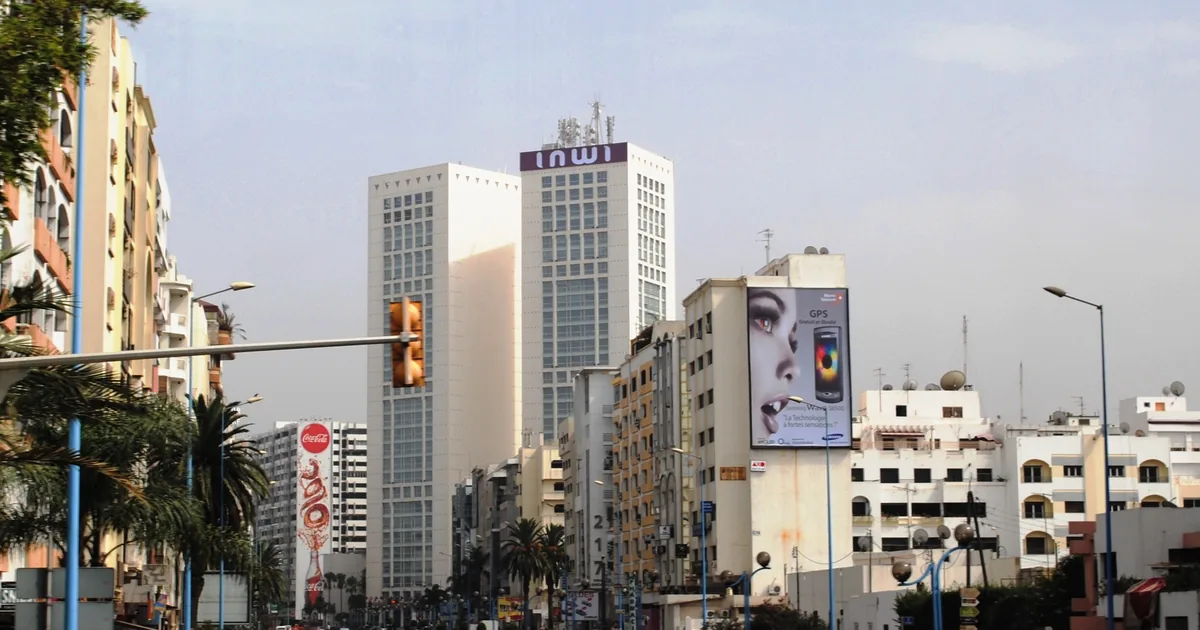
The road in Morocco is its own world
Driving in Morocco is an experience in itself. The toll-motorway network is modern and well maintained, but once you leave the main axes, road rules can feel a lot more flexible. If you are planning to rent a car, it helps to know what kind of driving day you are really signing up for.
The motorway network
Morocco has more than 1,800 km of toll motorways linking Tangier, Rabat, Casablanca, Marrakech, Fes, and Agadir. Prices are reasonable, the road surface is generally good, and fuel stations or rest areas appear regularly.
Traffic: what to expect
Casablanca and Marrakech both see heavy congestion during peak hours. In Casablanca, tram or train alternatives can sometimes be easier than driving all the way through. In Marrakech, walking is often the best solution once you reach the medina zone.
Mountain roads and demanding routes
Roads in the High Atlas and the Rif can be spectacular, but they also demand concentration. Expect tight bends, elevation changes, and sections where driving feels much slower than the map suggests.
Rental-car tips
- choose a reputable rental agency,
- take strong insurance coverage,
- film the condition of the car at pickup and return,
- and clarify parking expectations in advance.
Travel lighter when you drive
If your trip includes several stops, carrying every bag every day is not always the best move. Leaving part of your luggage in storage at a stopover can reduce stress, free trunk space, and make short sightseeing pauses easier.