Chefchaouen, the Blue Pearl of the Rif: Complete Travel Guide
Blue lanes, Rif mountain scenery, local crafts, and goat cheese: here is what to know before visiting Chefchaouen in northern Morocco.
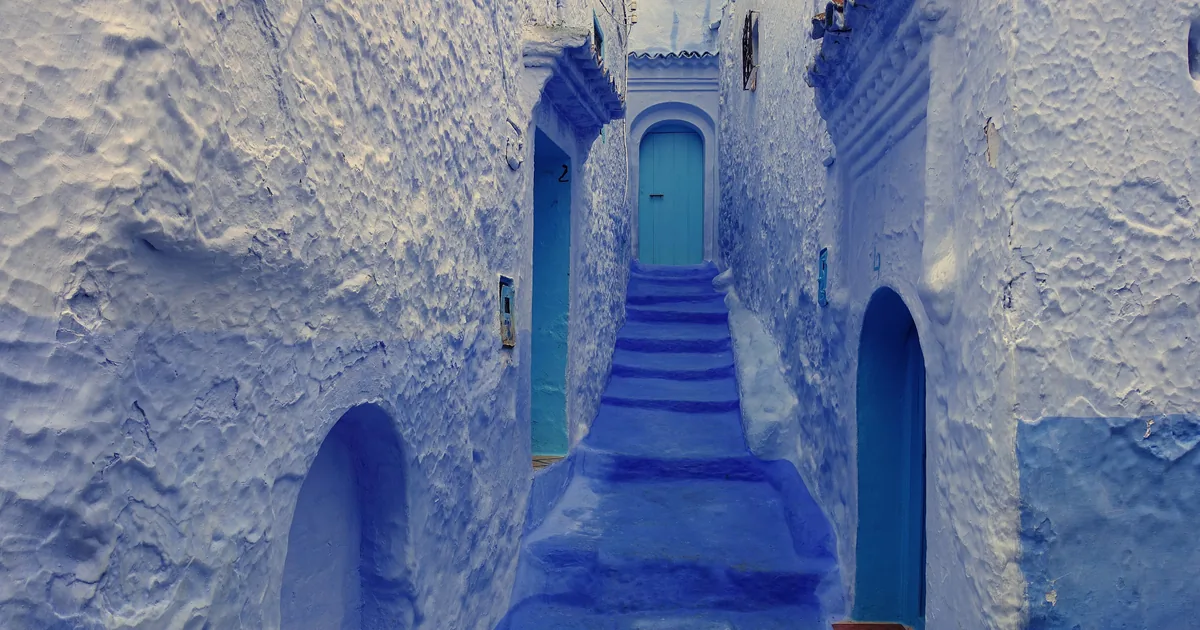
Why is Chefchaouen blue?
There are several theories: Jewish tradition, mosquito repellent, a symbol of the sky and paradise. Whatever the reason, the result is unforgettable. The medina is painted in layered shades of blue, from cobalt to pale azure, creating one of the most photographed urban settings in Morocco.
The main highlights
- Outa el-Hammam Square — the heart of the medina, lined with cafés and dominated by the kasbah.
- Ras el-Maa — a natural water source on the edge of the medina where locals cool off and wash clothes.
- Hike to Jebel el-Kelaa — around two hours on foot from the medina for panoramic views over the blue city and the Rif mountains.
- Weaving workshops — Chefchaouen is known for wool blankets and handwoven cotton clothing.
- Local goat cheese — one of the region's simple but memorable specialties.
How to get there
Chefchaouen has no railway station and no airport. The main access routes are:
- From Fes — CTM bus, roughly four hours.
- From Tangier — CTM bus or grand taxi, roughly three hours.
- By car — mountain roads that are winding but paved.
If you need a fuller view of the countrywide network, it helps to look at trains, buses, and transfer logic together rather than planning each leg separately.
How long should you stay?
Two nights are enough to enjoy the medina and do a walk or short hike. If you have more time, nearby places such as Akchour and the God's Bridge area make strong extensions.
Luggage tip
The climb from the bus area up toward the medina can be tiring with a large suitcase. If your itinerary is tight, it may be easier to store heavier bags before the uphill section or even before leaving a bigger hub city.